img

How Golf Can Drive Jobs in Bangladesh

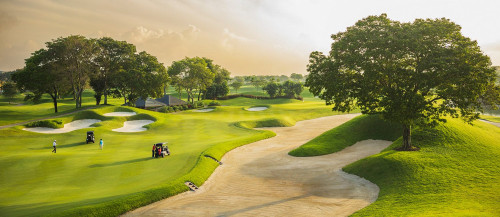
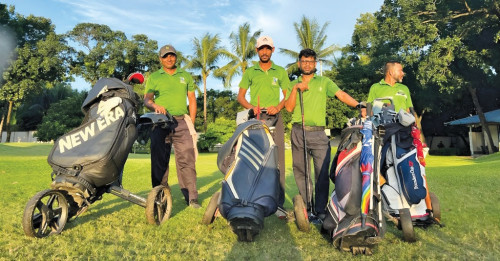
On a pleasant winter morning at a golf course, the player normally gets all the attention. One person admires the swing, another discusses the score, and someone inevitably explains how one missed putt ruined an otherwise perfect round. But look beyond the golfer, and the picture becomes much larger. A caddie reads the wind, a ball boy gathers practice balls, greenkeepers prepare the course, and coaches, mechanics, caterers, drivers and event workers keep the game moving. The golfer may be the star of the photograph, but a whole workforce stands just outside the frame. This is the part of golf we rarely discuss. Golf is not only a sport or a leisure activity. Properly developed, it can become a small but diverse employment industry for Bangladesh.

img

Bangladesh Golf: From Individual Success to National Excellence

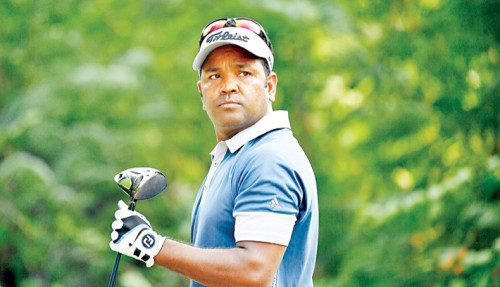
When we speak of Bangladesh golf, one name stands tall—Siddikur Rahman. From a caddie to an Asian Tour winner, Siddikur’s journey is not just inspiring—it is historic. He proved that a Bangladeshi golfer can compete, win, and belong on the global stage. Yet, his journey was not built on a system. It was built on determination. Then comes Jamal Hossain—a quiet performer, consistent, disciplined, and committed. His story is less celebrated but equally important. He represents the many talented golfers who continue to perform despite limited exposure and support. And now, we see a new chapter unfolding through Syed Mahdi Mahbeer Shanto. A young boy already making history at the Faldo Series, qualifying for global competition. His success is not just a victory—it is a signal that Bangladesh golf is entering a new era. But these three stories also raise a critical question: Are we building a system to support them-or are we leaving them to fight alone?

img

Singapore’s Golfing Scene: Lessons in Land Management

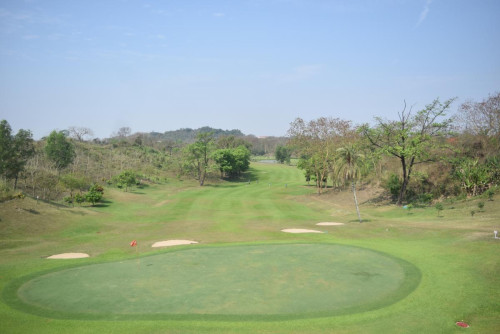
Dhaka is also a very densely populated city with many competing needs for land-use. Singapore’s golfing scene could serve as a reference point as Dhaka seeks to grow the sport whilst optimising land for other purposes. Holistic land management by the appropriate land management authority would ensure that golf course development fits well with Dhaka’s long-term land use plans.

img

Protecting Bangladesh’s Golf Caddies: Why Group Insurance Matters

At present, Bangladesh’s caddies have virtually no insurance coverage. Neither government nor golf clubs offer any standard insurance scheme for them. Unlike many formal sector jobs (or professional athletes), caddies don’t get health insurance, accident insurance, or life insurance as part of their work. This absence is felt in every injury and funeral: if a caddie twists his knee and can’t work for a month, he likely earns nothing in that time and must pay for any treatment himself. If a long-time caddie dies suddenly, his family not only loses their breadwinner but also receives no death benefit or pension – a double blow often resulting in extreme financial hardship.

img

A Farewell from the Fairways: My Diplomatic Journey in Bangladesh

As my tenure in Bangladesh draws to a close and I prepare to embark on a new diplomatic assignment, my heart is filled with gratitude and cherished memories. Serving as the highest representative of the Kingdom of the Netherlands to the People’s Republic of Bangladesh – what a beautiful name, by the way – has been profoundly meaningful: professionally, personally, and yes, even athletically, thanks to the many unforgettable mornings spent on Bangladesh’s golf courses.

img

From Fairways to the Ends of the Earth: My Journey in Golf and Photography

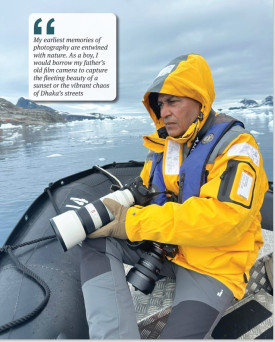
I often reflect on how a life in business led me to two unlikely teachers: golf and photography. As the Chief Executive of Paragon Group, I am fully occupied in business operation & expansion. But from my young age, I found solace and inspiration in these two passions. In the 1990s, while expanding our family business into new ventures, I also picked up a golf club and a camera. What started as hobbies soon became lifelines.

img

Bridging Nations, One Swing at a Time

I leave Dhaka with a wealth of friendship, trust, and a memory. As I sign the scorecard of my assignment, I do so knowing the real value isn’t in the score but in the journey. Golf—and Bangladesh—have taught me that. I leave not just as an ambassador, but as a friend of Bangladesh. Fore! To new beginnings and enduring friendship between Korea and Bangladesh.

img

A Little Courage, A Little Support: Bangladesh’s Tomorrow in Golf

As it stands, Siddikur Rahman and Jamal Hossain Mollah have carried Bangladesh’s golf ambitions almost single handedly for the past decade. They have shown what is possible through grit and perseverance. Their journeys – one continuing to fight against the odds, another reaching new heights – together inspire an entire nation’s sporting dreams. Now is the time for Bangladesh to ensure those dreams do not fade. With proper support, the country can produce more Siddikurs and Jamals in the future, writing new chapters in this unlikely success story.

img

Embracing the Green: Why Dhaka Needs Three More Golf Courses

Dhaka, the vibrant heart of Bangladesh, is a city constantly on the move. As it grows and modernizes, the need for recreational spaces becomes more apparent, especially for popular activities like golf. With an ever-increasing population and rising enthusiasm for golf, it’s time to explore how adding three more golf courses could significantly enhance the city’s recreational offerings. This article delves into the data and strategic importance of expanding golf facilities in Dhaka, highlighting the multifaceted benefits that come with it. Existing Facilities: Dhaka currently boasts only a handful of golf courses, including the Kurmitola Golf Club and Army Golf Club. These venues are frequently overcrowded, serving only a small segment of the city’s population.

Page 1 of 12