Rasadur Rahman
Millions of cricket fans around the world rejoiced when the Indian national cricket team lifted the trophy at the conclusion of the most recent ICC Men’s T20 World Cup in Ahmedabad. Yet, a significant number of Bangladeshi fans found the tournament strangely underwhelming.
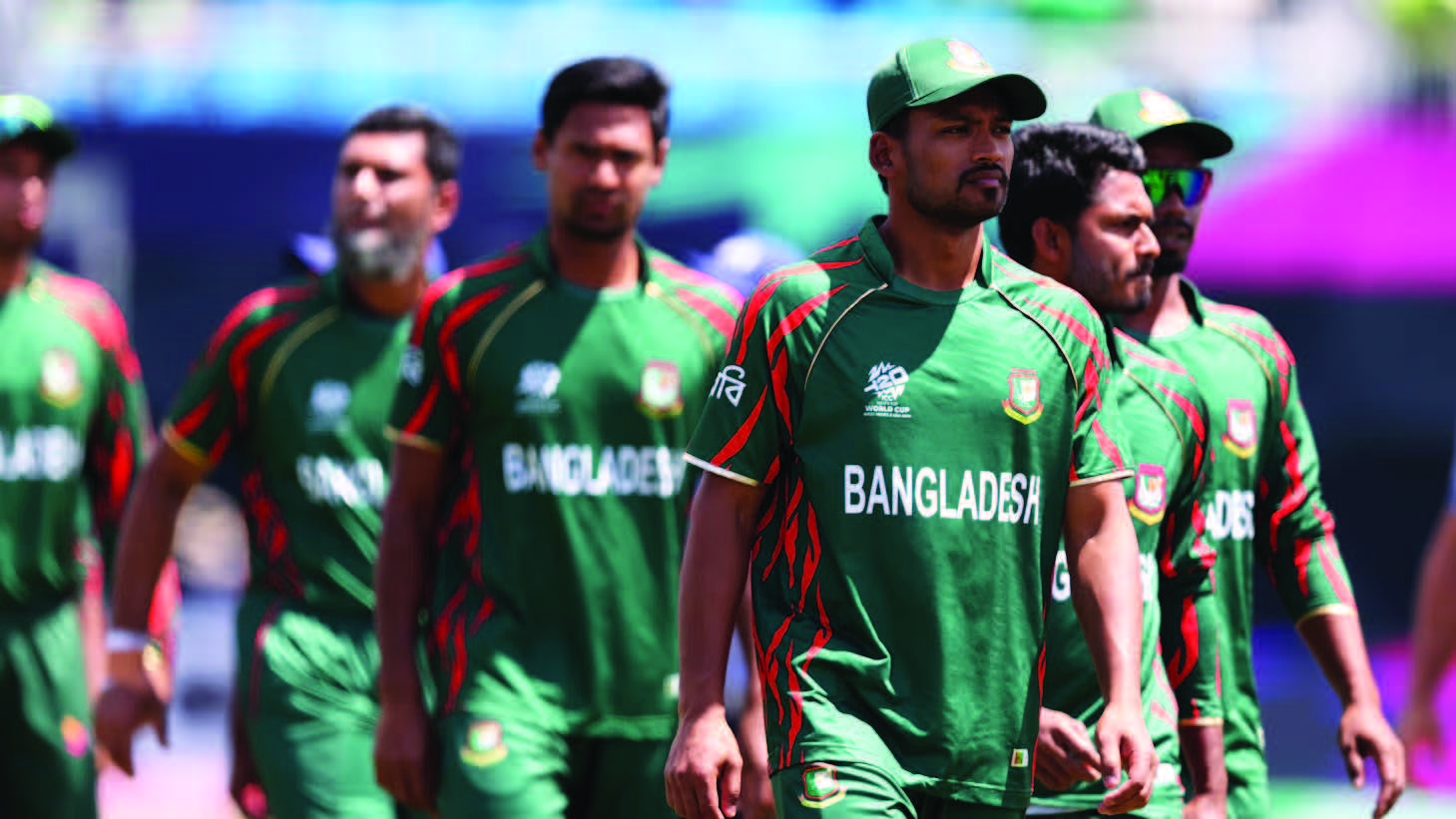
It was a World Cup without Bangladesh—an absence that sparked discussion, controversy, and strong emotions both domestically and internationally. It was the first time Bangladesh had missed a World Cup since 1999.
In Bangladesh, cricket is more than just a sport—it is an integral part of the country’s identity. Since becoming a full member of the International Cricket Council in 2000, Bangladesh has regularly participated in international competitions. Therefore, the national team’s absence from such a significant event raised serious concerns among fans, analysts, and decision-makers.
The debate over Bangladesh’s involvement in the World Cup did not emerge suddenly. In the months before the tournament, discussions among cricket enthusiasts grew louder, eventually making their way into government circles.
Concerns about the security of cricketers in the host country, India, demands to reschedule matches, and administrative decisions turned the issue into a national talking point. The situation was further intensified by developments in the Indian Premier League (IPL).
Tensions escalated when Bangladeshi fast bowler Mustafizur Rahman was dropped from his IPL team, Kolkata Knight Riders, amid political and public controversy. Mustafizur, a fixture in Bangladesh’s cricketing history, is celebrated for his talent and composure. His dismissal drew a passionate response from Bangladeshi fans. Many saw it as an unjust slight against a national icon, and social media quickly filled with criticism. Amid the charged atmosphere surrounding the World Cup, the incident became a flashpoint, reflecting broader frustrations about the administration of the game. Bangladesh’s interim government also decided not to broadcast IPL matches in the country.
The situation grew more complex with the government’s involvement in what was fundamentally a sporting issue. When politics and sports collide, emotions inevitably run high, and the World Cup debate was no exception.
For many supporters, the issue was about more than just cricket; it was about national pride. Many fans felt that Bangladesh had been overlooked at a time when the sport was receiving global attention. From rural tea stalls to urban stadiums, the nationwide emotional response demonstrated how deeply cricket resonates with the people of Bangladesh.
Millions of cricket fans in Bangladesh collectively boycotted the World Cup following the decision of the International Cricket Council (ICC). Bangladesh had requested the global cricket governing body to reschedule the matches scheduled in India to Sri Lanka. However, the ICC rejected Bangladesh’s request and replaced the team with Scotland in the tournament.
Following the decision, many observers criticized the ICC. World Cricketers’ Association (WCA) Chief Executive Tom Moffat said in a statement, “The withdrawal of Bangladesh from the T20 World Cup, and the resulting absence of a valued cricketing nation from cricket’s pinnacle international T20 event, is a sad moment for our sport, the Bangladesh players and fans, and one that requires deep reflection.”
Cricket relations between Bangladesh and India have long been marked by intense competition and passionate fan engagement. Although the rivalry is generally friendly, controversial incidents can quickly ignite public opinion. The combination of the IPL controversy and the World Cup absence created a perfect storm.
For everyone concerned, the absence of Bangladesh from the World Cup should serve as a wake-up call. Cricket officials, government leaders, and the players themselves need to work together to prevent a repeat of such a scenario. The Bangladesh Cricket Board has a vital role to play in rebuilding the country’s standing in the global cricket arena and restoring the confidence of its fans.
Bangladesh’s cricket history is filled with memorable moments, including unexpected victories against stronger opponents and the emergence of exceptional players. The passion of its fan base continues to be a powerful driving force within the sport.
In the end, India’s triumph remained the tournament’s most memorable moment. Yet for Bangladeshi supporters, the story of this World Cup carried a different tone. The absence of a team that represents the hopes of millions mattered more than who ultimately lifted the trophy.
A World Cup without Bangladesh reminds us of a simple truth: cricket’s greatest strength lies in the diversity of the nations that participate. When even one passionate cricketing nation is missing, the global celebration of the game feels slightly incomplete. To prevent such situations in the future, cricket authorities and governments must work together while ensuring that politics does not overshadow the spirit of the game.
The writer is a senior sports journalist based in Dhaka.